

Why Online Therapy is a Game-Changer for Mental Health

Mental health care has evolved significantly over the past decade, with technology playing a pivotal role in transforming how support is delivered. One of the most impactful changes is the rise of online therapy. This modern approach to counseling offers a flexible, accessible, and effective alternative to traditional face-to-face sessions. As mental health awareness grows, understanding the advantages of online counseling becomes essential for anyone seeking help or considering therapy options.
The Advantages of Online Counseling: Flexibility and Accessibility
One of the most significant advantages of online counseling is its flexibility. Traditional therapy often requires scheduling appointments during office hours and traveling to a therapist’s location. Online therapy removes these barriers by allowing individuals to connect with licensed professionals from the comfort of their own homes or any private space.
Convenient scheduling: Sessions can be booked outside of typical work hours, including evenings and weekends.
No commute needed: This saves time and reduces stress, especially for those living in rural areas or with mobility challenges.
Access to specialists: People can find therapists who specialize in their specific needs, regardless of geographic location.
This flexibility makes therapy more accessible to a broader audience, including busy professionals, parents, and those with physical disabilities.

What are the Positive Effects of Digital Therapy?
Digital therapy has shown promising results in improving mental health outcomes. Research indicates that online therapy can be just as effective as in-person sessions for many conditions, including anxiety, depression, and stress management.
Some positive effects include:
Increased engagement: Clients often feel more comfortable opening up in their own environment.
Consistent attendance: The ease of access reduces missed appointments.
Personalized treatment: Therapists can use digital tools like apps and online resources to tailor therapy plans.
Immediate support: Some platforms offer instant messaging or video calls for urgent needs.
For example, cognitive-behavioral therapy (CBT) delivered online has helped many individuals develop coping skills and reduce symptoms effectively. The ability to revisit recorded sessions or digital worksheets also reinforces learning between appointments.
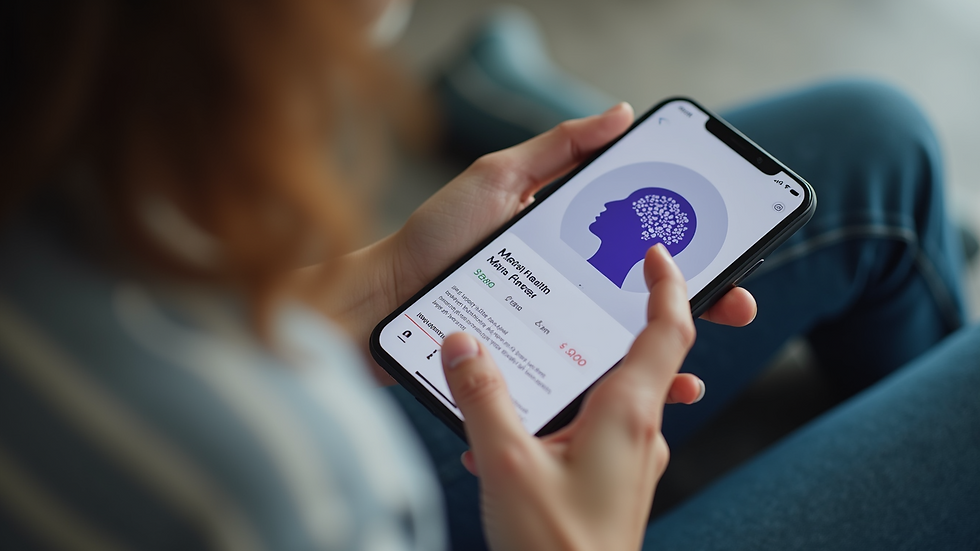
How Online Therapy Breaks Down Stigma and Encourages Help-Seeking
Mental health stigma remains a significant barrier to seeking help. Online therapy offers a discreet way to access support, which can encourage more people to take the first step.
Privacy: Sessions can be conducted in a private space without the fear of being seen entering a therapist’s office.
Anonymity options: Some platforms allow users to remain anonymous or use pseudonyms.
Comfort: Being in a familiar environment can reduce anxiety about therapy.
This reduction in stigma is crucial for populations that may feel marginalized or hesitant to seek traditional therapy, such as young adults, men, or individuals from certain cultural backgrounds.
Practical Tips for Making the Most of Online Therapy
To maximize the benefits of online counseling, consider the following recommendations:
Choose a quiet, private space: Minimize distractions to create a safe environment for your sessions.
Test your technology beforehand: Ensure your internet connection, camera, and microphone work well.
Set clear goals: Discuss your expectations and therapy goals with your counselor early on.
Be consistent: Treat online sessions with the same commitment as in-person appointments.
Use supplementary tools: Take advantage of digital resources like journaling apps or mindfulness exercises recommended by your therapist.
By following these steps, you can enhance your therapy experience and achieve better mental health outcomes.

Embracing the Future of Mental Health Care
The shift toward online therapy is more than a trend - it represents a fundamental change in how mental health services are delivered. With its numerous advantages, including convenience, accessibility, and effectiveness, online counseling is breaking down barriers and making mental health care more inclusive.
For those considering therapy, exploring the online therapy benefits can open doors to new possibilities for healing and growth. Whether you are managing stress, coping with anxiety, or seeking support for deeper issues, online therapy offers a flexible and supportive path forward.
As technology continues to advance, the integration of digital tools with professional care will likely expand, making mental health support even more personalized and accessible. Embracing these changes can empower individuals to take control of their mental well-being in ways that were not possible before.
By understanding and leveraging the advantages of online counseling, more people can access the help they need, when they need it, and in a way that fits their lives. This game-changing approach is reshaping mental health care for the better.


Comments